|
|
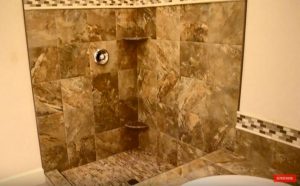
Tile grout is porous, even when
it is sealed. Consequently water in a shower stall can seep through it and
find its way to lower levels in the home. If this water is not channeled to
the shower drain properly, damage to the sub floor and lower level ceilings
will occur.
A shower pan is a waterproof
system that channels water into the shower’s drain. In earlier years a
shower pan was constructed using copper, lead or tar to seal the shower pan.
However, history has shown that over time these materials fail due to
corrosion. Newer materials are now available, such as flexible plastic type
shower pan membrane liners that replace these older materials.
Building a tile shower pan is a
little complicated. However in the following sections I will highlight the
process for properly installing one. For a more detailed description see my
“How
to Install a Shower Membrane Liner Ebook”.
|
 |
|
|
Tools and
Materials Required to Build a Shower Pan
The tools required for building a
shower pan include: mortar trowel, bucket, utility knife, hammer, spirit level,
2 or 4 foot level, staple gun, tape measure, wire cutters and roofing nails.
The materials required for building a
shower pan include: a waterproof shower membrane liner, mortar, felt paper, wire
lath, backer board, and shower pan membrane liner adhesive.
|
Shower Pan Membrane Liner Choices
Basically you have two types of
shower pan membrane liners to select from. Each is made from different plastic
like materials. The first waterproof membrane liner is constructed out of a
material known as CPE (Chlorinated Polyethylene). It is a flexible plastic
material that can be easily hand molded and maintain its configured shape. It is
the most commonly used waterproof membrane liner. The second membrane liner
option is manufactured using a PVC (Polyvinyl Chloride) material. It is more
difficult to work with as it is stiffer and tougher to mold into shape. Both
waterproof membrane liners can be purchased at your local home improvement
center.
|
 |
Shower Pan Site Preparation
Before building a shower pan the
shower area needs to be constructed. Typically 2x4 framing is used to construct
the walls and 2x6 blocking plates are installed between the vertical members at
the base of the shower area. The blocking plates provide a nailing surface area
to attach the membrane liner to.
For the shower opening curb, sister 2
or 3 2x4’s together to obtain a 3 to 4.5” inch high shower entrance curb.
|
Building the Shower Pan Pre-Slope
It is important to have the water
drain towards the adjustable drain assembly in the center of the shower area.
Consequently it is necessary to build a mortar based pre-slope that will funnel
water towards the drain.
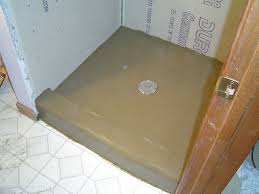
To install the pre-slope mortar bed
first place a piece of felt material in the bottom of the shower area. It should
be cut properly to fit the entire shower floor and up the sides of the shower
walls by approximately 6-8 inches. Fasten the felt to the walls of the shower
with staples.
Now calculate a measurement of how
high the mortar needs to rise up against the shower walls to create the proper
drain slope. For best drainage, use ¼ inch in height for every 12 inches of run
from the drain center. Also keep in mind that the mortar thickness in the
pre-slope should be ½” to 1” thick. For example, if the thickness of the
pre-slope layer is to be ½” thick, and if the run distant from the drain center
to the shower wall is 2 feet, the height of the pre-slope mortar bed on the
shower walls should be 1”.
Using a 2 or 4 foot level, mark a
line on the felt paper at the appropriate height, based upon your calculations.
Continue to draw this line all around the walls of the shower stall, as this
line will act as your reference for the finished height of the pre-slope mortar.
Next, use your utility knife to cut
an opening in the felt paper for the drain assembly to slip through.
After the felt has been installed and
marked, next place wire lath in the base of the shower stall. Again, make sure
you cut an opening in the wire lath for the drain assembly to slip through. The
wire lath acts as reinforcement to the mortar, akin to rebar, and helps to
prevent mortar cracks. The wire lath should also go up and over the shower curb
and fastened in place.
Next mix up some mortar and pour it
into the base of the shower floor. The mortar is made up of Portland cement and
sand and should be mixed with water to create a relatively stiff mud material.
Use your mortar trowel to achieve the
proper pre-slope, working from the drain area outward, to the height marked on
the felt along the shower walls. Use your Spirit level to help in maintaining
the proper slope evenly throughout the shower floor area.
Let the mortar set up for about 24
hours before going on to the next stage.
Installing the shower pan membrane
liner
Place the shower pan membrane liner
into the base of the shower area. The liner should be cut to size so that it
travels up the sides of the shower walls by approximately 6 inches. Also make
sure that the membrane liner can wrap up and over the front curb of the shower
pan.
If you are building a large shower
pan, then you may need to fuse together two pieces of membrane liner. Make sure
you use the membrane liner manufacturer’s recommend adhesives for gluing the
pieces together.
Mold and fold the membrane liner into
place around the base of the shower pan.
Fasten the membrane liner to the
sides of the shower frame initially using staples and then with roofing nails.
Make sure, however, that the staples and nails are placed no lower than 4 inches
above the base of the shower pan.
Finally, cut a hole in the membrane
liner for the drain opening and install (with bolts) the drain flange to the
base of the drain assembly.
Install Backer board on Shower
Walls
Once you have fastened the membrane
liner in place, fasten backer board to the shower walls. The backer board should
run down to the floor of the shower pan.
Installing the Base Mortar Layer
into the Shower Pan
With the waterproof membrane liner
and backer board installed, you can now pour the base mortar layer over the
shower liner.
First, however, install the
adjustable drain assembly into the shower drain and adjust the height by simply
rotating clockwise or counterclockwise.
The base mortar layer should be
approximately ½ to 1 inch thick. Since the shower floor already has a pre-slope,
just apply a base mortar layer that has an even thickness throughout the shower
floor area. Again, use your 2 or 4 foot level to mark the finished height along
the shower walls to help as a guide when troweling the mortar evenly throughout
the shower floor. You may also want to use your spirit level during this process
to help maintain an even application of the mortar and pre-slope.
If necessary also adjust the drain
assembly height as well, however keep in mind that the finished height of the
shower will also include the additional thickness of the ceramic tile.
Also, trowel the mortar up and over
the shower pan curb, however make sure the curb has a slight lean such that
water will drain from the curb into the shower pan.
Let the mortar set up for 24-48 hours
before installing the ceramic tile. While the base mortar is setting up,
occasionally rotate the shower drain assembly to ensure that it can be adjusted
later for the finished ceramic tile height.
See
My Shower Pan Ebook for More Details: For a more detailed set of
instructions on building a shower pan, including pictures and a detailed
cross-sectional view of the make-up of a shower pan, see my “Shower Pan Membrane
Liner Ebook”.
|
Find a Qualified Ceramic Tile Contractor in Your Area |
|
Get Free Quotes. Easy, Quick and No
Obligations!
For the home improvement or home remodeling project that is
too big for you, check out our partner
NeedContractor. They are a national
resource for finding pre-screened, insured, and licensed home improvement and remodeling contractors in your local area.
|

|
|
Get Matched in 48 hours with Ceramic Tile
Contractors! |
See HomeAdditionPlus.com's
Ceramic Tile Calculator
How to Finance your
New Home Project - FirstAgain can
help provide funds for your new home improvement project if financing is
required.
Apply online today !
Related Ceramic Tile
Information
Additional Ceramic Tile Resources from Amazon.com
|