|
Travertine tile, versus ceramic tile,
is a naturally made stone material. Due to the fact Travertine tile starts from
a quarry, and that there is a finite amount of it on the earth it is a more
expensive tile option. Travertine tile has been used for thousands of years and
because of its history many homeowners prefer it to other tile types. This said,
Travertine tile is a form of limestone and is such very porous. Consequently it
is susceptible to stain and moisture. As a result, Travertine tile, versus
ceramic tile, may not be the best choice for a bathroom or heavily used kitchen.
On the other hand, it is ideal for hallways, great rooms, and low traffic
kitchens.
|
|
Travertine stone tile is available in two main types,
natural/tumbled and honed. Natural, or tumbled Travertine tile, is left more
in its original state and thus has a more rustic and grainy type appearance.
Honed Travertine tile is more similar to ceramic tile in appearance. Honed
Travertine tile is polished to a smooth finish and is more appropriate for
kitchen and even some bathroom applications as it is a little less likely to
absorb stains. Travertine tile is available in all sorts of shapes and
sizes, however its colors are somewhat limited to more earthy tones, such as
beige, gold and reddish colors. The amount of iron in the Travertine tile
dictates its color. |
|
In regards to maintenance Travertine tile should be sealed regularly to
mitigate the risk of staining and water penetration. Ceramic tile should also be
sealed periodically but the frequency does not need to be as often.
Ceramic tile, versus Travertine tile, is a manmade product that is constructed
out of clay, quartz ferrous sand materials, and water. Ceramic tile is
constructed using red, brown or white clay, whereas porcelain tile is
constructed using white clay. After the ceramic tiles are molded into shape they
are fired to high temperatures, and in some ceramic tile types their surfaces
are glazed.
|
 |
The key difference that separates Porcelain tile from regular ceramic tile is
that the clay used in porcelain tile is of a more highly refined and purified
nature. As a result, porcelain tile is much denser and more rugged than standard
ceramic tile, however it is slightly more expensive than ceramic tile, but less
than Travertine tile.
Ceramic tile is available in both glazed and unglazed surfaces. Glazed ceramic
tile surfaces are similar to glass and are best used on walls as they are much
too slippery for floors. Glazed ceramic tiles are also a bit more susceptible to
cracking and thus another reason why they should not be used on floors.
So the bottom line when it comes to the ceramic tile versus Travertine tile
debate is deciding upon expense, application and personal aesthetics. Both
Travertine tile and ceramic tile have been used for thousands of years, and each
are available in a wide assortment of shapes, sizes and colors, including ornate
mosaics. It’s hard to go wrong with either tile type as long as you keep up with
the proper maintenance.
|
Find a Qualified Tiling Contractor in Your Area |
|
Get Free Quotes. Easy, Quick and No
Obligations!
For the home improvement or home remodeling project that is
too big for you, check out our partner
NeedContractor. They are a national
resource for finding pre-screened, insured, and licensed home improvement and remodeling contractors in your local area.
|

|
|
Get Matched in 48 hours with Tiling
Contractors! |
So when making the porcelain tile versus Travertine tile decision consider how
the tile surface will be used, as well as the appearance you are looking for.
If, for example, you plan to tile a wall surface then there is less likelihood
of spills and staining to worry about, so Travertine tile may be your preferred
choice. If on the other hand, you are considering a tiled kitchen floor and you
have pets and small children then staining is a major threat and thus Porcelain
tile may be a better choice.
For information on
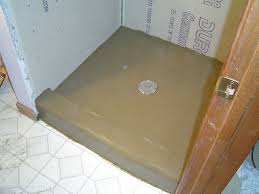
ceramic tile and installing a shower pan membrane liner, see the
Shower
Pan Membrane Liner Installation Ebook
from HomeAdditionPlus.com. The Shower Pan Membrane Liner EBook will quickly
teach you the step-by-step process for installing the shower pan membrane liner
correctly. It includes instructions on framing the shower stall, pouring the
pre-slope and shower base mortar, and installing the shower pan membrane liner.
See HomeAdditionPlus.com's
Ceramic Tile Calculator
How to Finance your Home Improvement Project -
can help provide funds for your new home improvement project if financing is
required.
Related Tile Information
Additional Tile Resources from Amazon.com
|