Trisodium
phosphate has some environmental regulations, so you should check with your
local paint store to see if it is okay to use in your area. The paint dealer
should be able to offer an alternative to PST, if it is not allowed in your
area.
After mixing up the solution in a bucket, thoroughly wipe down the
walls with this solution using a rag, and then rinsed off with clean water. If
you plan on repainting the walls let the walls dry for several days before
repainting. Also, make sure the area is dry. You may want to consider using a
dehumidifier in the room to help with the drying out process.
|
|
After removing the mold and mildew from the walls, it is important
to take steps for preventing its growth in the future. For example, if you are
planning to repaint the walls apply a mold and mildew resistant additive to
the paint prior to applying the paint to the walls. Again, your local paint
store should be able to help by mixing in the mold and mildew additive to the
paint.
Regardless of whether or not you plan on repainting the walls or
not, it is important to understand what caused the mold and mildew and to take
steps to prevent its growth in the future. |
Mold and
mildew typically form in a home due to two reasons, high moisture levels within
the home, and insufficient airflow. Unfortunately the downside of today’s new
home construction is that they are well built and air tight. This air tightness,
however can lead to a buildup of moisture levels in the home which can then lead
to the formation of mold and mildew.
To prevent future outbreaks of mold and mildew in the home, you may
need to install an air conditioning system in the home, if one was not installed
when the home was built. Alternatively you may need to install a house fan, or
attic fan in the home. These types of fans can create sufficient air movement in
the home to prevent moisture build up and thus eliminate the threat of mold and
mildew growth.
Another area to examine is your home’s basement. If there is
standing water or damp spots in it, then take a look at the exterior of the
home. Make sure the grade of the land around the home’s foundation causes water
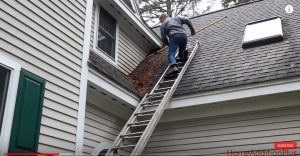
to run away from the home. Also, if your home has gutters, make sure the drain
spouts properly divert rain water run-off away from the home. Finally, consider
installing a sump pump or dehumidifier in your basement to remove water from the
basement. Also, if your home has an earth crawl space for a basement, install a
layer of plastic on the floor of the crawl space and cover it with crushed
stone.
Also, while in the basement cover all supply line pipes with
insulated pipe foam. If you see green stains on your basement floor, underneath
the copper supply lines, this is a sure sign that you have condensation
occurring on the supply lines during hot summer days. Also make sure the central
air conditioning duct work is insulated. As warm moist air comes in contact with
these supply lines and/or duct work, condensation can form on them. The
condensation then eventually drips to the basement floor and forms puddles.
Another area to examine for high moisture levels is in the
bathrooms and laundry rooms of the home. Make sure that the bathroom and dryer
vents are properly vented to the outside of the home.
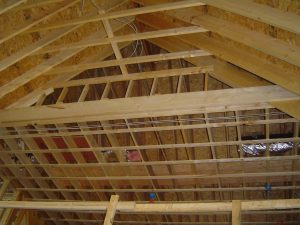
If you are building a new home or an addition to the home, make
sure you insulate it properly to prevent the threat of mold and mildew.
If you live in an area with high summer humidity and cold winters,
use insulation with a vapor barrier on your exterior walls. The vapor barrier
should be applied on the warm side of the wall (towards the inside of the home).
This will prevent moisture from wicking onto the insulation during the winter
months.
With this
list of preventative steps you should be able to prevent the re-occurrence of
mold and mildew within your home, and/or the prevention of it all together.
Additional Mold and Mildew Resources from
Amazon.com