Common Mistakes Made by the Rookie Home
Improvement DIYer that costs Time and Money
By: Mark J. Donovan
Let’s face it, owning and maintaining
a home is very expensive. Between the initial outlay of cash when we buy the
home, and then the subsequent monthly mortgage, taxes and insurance bills, there
seems to be little left over for sinking even more money into the home. But due
either to Mother Nature or our own ambitions inevitably we find ourselves making
home repairs or home improvements to our houses. In some cases we hire
contractors to make the home repairs or improvements, and in other cases we put
on our own home improvement DIYer tool belts and do it ourselves.
For the seasoned homeowner many have
learned how to avoid the most common home improvement DIYer mistakes, but for
the new homeowner they often plow ahead into unchartered waters and end up
costing themselves time, money and frustration.
To help rookie home improvement DIYers not make the same mistakes I’ve
personally made throughout the years of owning and working on homes, I have
compiled my “Top 10 Home Improvement DIYer Mistakes List” below. For those who
are already seasoned homeowners you may want to read on for a refresher course
or to simply have fun commiserating with my past pitfalls.
1) Failure to
Properly Educate Oneself to the Task at Hand
Often novice home improvement DIYers jump into a project with little knowledge,
training or experience. Watching a half-hour home improvement show on building a
shed for example, is far from sufficient enough training to simply go out and
grab a hammer and start framing your own shed. Basic foundation, carpentry and
roofing skills need to be acquired first to ensure the shed will be constructed
properly and to building codes.
2) Failure to Recognize Personal
Skill Limits
Similar to mistake number 1, the neophyte home improvement DIYer frequently
thinks he or she is qualified to make a home repair or tackle a home improvement
project simply because they know how to hold a hammer or saw. There’s a big
difference, however, in knowing how to hold a tool versus actually use it
properly. In addition, many home improvement projects require unique skills,
physical strength, and multiple pairs of hands.
Another major home improvement DIYer mistake is to not recognize how little time
they truly have for doing a home improvement or home remodeling project. Many of
us start out with good intentions such as “I’ll spend the next 10 weekends
dedicated to this project” to complete it, but in the end find half their
weekends filled up with other responsibilities or activities. Six months later
the finished basement, for example, is still a work in process with only half
the walls framed, let alone anywhere near finished.
3) Failure to Plan
As with every major undertaking in life, planning and preparation are the key
ingredients to success. Remodeling a room or building an addition is no
different. If you want a successful outcome you need to plan accordingly and the
fewer stones left unturned the higher the probability of a successful outcome.
Before tackling any major home improvement project generate drawings and a bill
of materials, and meet with prospective contractors. If you anticipate needing
financing, visit your bank as well prior to starting your home improvement
project.
4) Underestimating
Costs
All of us want more for less. Call it greed or naiveté we are inherently
programmed to think this way. Consequently when planning a home improvement
project that you intend to do on your own, make sure to keep reminding yourself
not to underestimate the costs of the project. Allow for material waste, bad
weather, and other things that could impact your costs. By visiting your local
home improvement center and talking with potential sub-contractors during the
planning phase you can help prevent underestimating costs for the project.
5) Failure to Get Required Permits
This is one of the most common mistakes made by novice home improvement DIYers.
There are a myriad of reasons and excuses they skip this step. Sometimes it’s to
avoid permit costs, or to prevent the tax assessor from increasing the value of
their home. Other times naive home improvement DIYers simply think it’s not
required. They’re usually wrong, and making this mistake can cost big time. If
the municipality finds out about your home remodeling endeavors and you haven’t
pulled a permit, expect to hear from them in the form of a registered letter. At
best the letter will be a “cease and desist” writ. If you’re really
misfortunate, it may demand you tear down your home improvements. I hate to say
it, but your friendly neighbors can sometimes be your worst enemy in these
situations. It is often the next door neighbor who calls the town or city, when
they see you building in a new deck and you don’t have a building permit visibly
displayed near it.
6) Lack the Proper Tools
Many home improvement projects require special or expensive tools. In order to
minimize costs, the rookie home improvement DIYer often tries to make do or
improvise with other tools to complete the project. In these situations, more
often than not they end up wasting material and finding themselves running out
to buy more of it. In the process of getting the additional material they often
break-down and buy the proper tool at this point.
Photo by Mark Donovan
Besides the dollar cost, they also waste much of their precious 48 hour weekend
time running back out to the home improvement center. So when putting together
your home improvement plan assesses your tool box to make sure you have the
right tools for the job.
7) Penny Pinch on Materials
Many DIY home improvement rookies also try to cut corners on materials. They buy
just enough for the job and assume they will have no scrap. Coupled with using
the wrong tools this can often be a recipe for disaster. Inevitably they end up
making extra trips to the home improvement center to pick up more material. And
in some situations, such as in the case of buying a particular ceramic tile, the
store may be out of it when they run back. If this happens, the project can go
on for weeks unfinished until the material can be restocked. In the worst case
scenario, ordering additional material may not even be possible.
8) Use of the Wrong Materials
Due to a lack of knowledge on a particular home improvement project, a novice
DIYer may use the wrong materials that can aesthetically and functionally harm
the project. For example, using the wrong nails or screws on a deck could result
in the fasteners corroding and leaving ugly stains on the deck surface. In some
cases, such as using the wrong types of fasteners with certain deck wood lumber,
e.g. treated lumber, the deck literally cut pull away from the side of the home
or collapse.
9) Failure to Work Safely
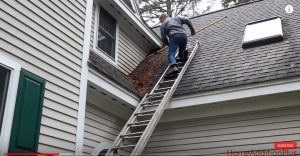
This is another big problem with novice home improvement DIYers. In order to
save time and money they don’t buy the necessary ladders, safety glasses, work
gloves, masks, etc. that protect them from dangerous conditions around the home
improvement work area.
Another major issue regarding work safety around the home improvement site is
keeping it free and clean of loose debris and scrap material. At the end of
everyday a jobsite should be swept and picked up so that the area is free from
trip hazards and debris that could lead to accidents and mistakes.
10) Failure to Plan for the Unexpected
Stuff happens to put it nicely. Even the best plans are only just that, plans.
Weather, financing, undependable sub-contractors, material shortages are all
issues that arise during a major home improvement project. It is important to
anticipate these issues in advance and have back-up plans in the event any of
these types of problems arise. The sports saying “the best defense is a good
offense” is very germane to home improvement projects. By anticipating problems
ahead of time and having an offensive back-up plan you will be better prepared
for the unexpected. As a general rule, it is wise to set aside an additional
5-10% of the cost of the project for “Contingencies”.
So before you tackle your next home improvement project consider how to avoid
these common errors. By planning ahead and not falling victim to these common
rookie home improvement DIYer mistakes you will dramatically improve your
chances of a successful home improvement project.
For more help on building a new custom home, see HomeAdditionPlus.com'sNew Home
Construction Bid Sheet. The
New Home Construction Bid Sheet
provides you with the knowledge on how to plan a custom home building project,
and what to look for when hiring contractors for your new home construction. It
also includes a detailed cost breakdown table and spreadsheet for estimating
your own new home construction building costs.
How to Finance your Home Construction Project -
can help provide funds for your new home improvement project if financing is
required.
Free Home Addition
Price Quotes with No Obligation!
Fill out our 3-5 minute quick and easy form, and receive a free price quote
on a room addition from one of our prescreened and licensed home addition
contractors. This process is free and there is no obligation to continue once
you receive your room addition estimate.