By Mark J. Donovan
Monitoring the
Home Construction Site for Cleanliness and Neatness
I have visited new home construction
sites where I have found them to be in total disarray. I have seen trash and
scrap construction material lying in heaps around the outside of the home for
weeks, and even months at a time. I have also seen the inside of the home
littered with trash and wood scraps after the crew has left for the evening. All
of these observations raise concerns about the quality of the home construction.
The saying “dress for success” comes to mind. If your new custom home
construction site looks like a pigpen, don’t be surprised if the quality of your
home construction stinks. In addition, a littered site can also create a
dangerous site, and when someone gets injured watch your wallet. Anyone can be
sued, and don’t be surprised that the injured party doesn’t come after the
builder and the property owner, particularly if you already own the land.
|
|
Whenever possible, dumpsters and
portable toilets should be used during the construction of a new home
construction project. They should be positioned on the property so that they are
out of the way of construction equipment and general people traffic.
Also, if the property borders
wetlands or other water bodies, environmental fence material should be installed
to prevent the leaching of disturbed earth from seeping into the water body.
At the end of every workday, the home
should be thoroughly swept and trash picked up and properly disposed of.
|
Monitoring the
Home Construction for Quality Carpentry
and Proper Home Construction
Besides looking for a clean home
construction site, you also want to look for quality carpentry and subcontractor
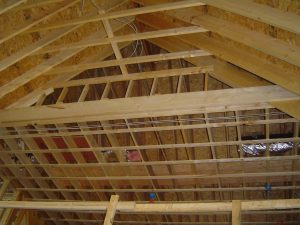
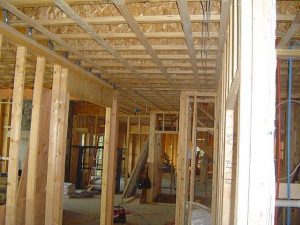
work. Take a look at the quality of the rough framing. Inspect the framing cuts
and joints to see if they are neat and clean, and that the walls, floors and
ceilings are plumb and level.
Also inspect the plumbing and
electric wiring. Holes, for routing pluming and electric, should be centered
between floor and ceiling joists and wall studs.
Also inspect the wood being used. If
pieces are severely warped, raise this concern with your builder, and ask them
to be replaced. Otherwise you’ll wind up seeing some ugly looking finished
drywalls.
Also make sure the carrying beams sit
properly in the foundation wall pockets. Frequently I have seen carrying beams
that do not fit properly in the foundation pockets, thus negating much of the
value of the carrying beam.
Another key element to look for in
new home construction is the proper use of flashing. Flashing is used to prevent
water from seeping into the home, and it is used on roofs, around fireplaces,
between decks and homes, around doors and windows, and siding. Make sure your
builder does not short change the use of flashing. Otherwise expect water
problems later on.
When inspecting the site, after
hours, bring along your camera and take pictures. There are a couple of reasons
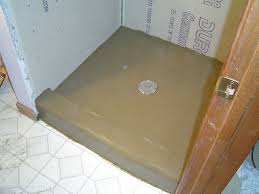
to do this. One reason is to take pictures of key plumbing areas, particularly
if your new custom home will have a finished basement. Overtime many homeowners
forget where certain key plumbing components exist e.g. J-traps on tubs, or
where PVC drains and vent stacks are positioned in walls. The pictures can save
you major headaches down the road when maintenance issues come up, or if you
need to do demolition or construction later on in the home.
The second reason for taking pictures
is in the unfortunate event that a dispute arises between you and your builder.
The pictures can act as evidence. Take pictures of areas you have concern, and
that you have already addressed with you builder.
Project Management
and Site Safety
Project management and site safety
are other important factors in building a quality new custom home. A properly
managed new home construction project will have a centralized “headquarters”
somewhere within the home where the architectural drawings are kept available to
the construction crew. In addition the “headquarters” should have permits and
all required safety notices posted in this area. Frequently “headquarters” are
located in the kitchen or garage areas.
Storage of
Construction Materials and Tools
Garage areas or, basements are also
great locations for construction material and tools to be stored. Over the years
I have seen job sites where the construction material sits out in the mud and
unprotected from the weather. This leads to material damage or theft that costs
money to replace. In addition, lumber left to the outside elements will warp,
and if still used in the home construction, will lead to lower quality home
construction.
Make sure your builder stores your
home’s construction material in a dry and protected area. Lumber should be
neatly stacked and raised off the ground to minimize warping and water damage.
Again, garage or basements areas are good options.
Keeping tabs on your builder and your
new custom home is critical in ensuring you get the finished home you deserve
and are paying for. Visit your new custom home construction site regularly and
make sure you let your builder know promptly when you see a problem. The longer
you wait, or the later you are to discover the problem, the more expensive it
will be to correct the problem and the more likelihood of a dispute between you
and your builder.
Fill out our 3-5 minute quick and easy form, and receive a free price quote
on custom home building from one of our prescreened and licensed custom home
builders. This process is free and there is no obligation to continue once you
receive your custom home building price estimate.