|
|
|
First Floor Additions
Key Considerations when Building First Floor
Additions
By: Mark J. Donovan
|
|
First floor additions are common for
living spaces such as family rooms, sunrooms, dens, and kitchen bump outs. If
your home has a basement then you have the option of expanding it by including a
basement in your first floor addition plans. This said, adding a basement to
your first floor addition plans adds significant expense and complicates the
project. When I’ve built first floor additions, I’ve elected to either go with a
crawl space or simply a slab foundation. To save on costs and hassles when
building a first floor addition I highly recommend going with a slab foundation
if at all possible.
|
|
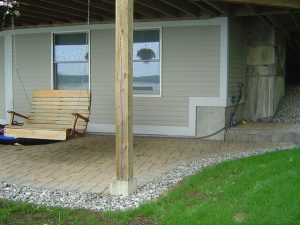
This said, a foundation solution for
the house addition should be selected that ties in aesthetically best with the
existing home. For example, I used crawl space foundations in a couple of my
first floor additions to match the base of the addition with where it tied into
the existing home. There are two additional benefits of including a crawl space
foundation in your first floor addition plans. Though not a complete basement,
the crawl space does afford some storage benefits. In addition, it’s less
expensive to construct then a full blown basement since there is less concrete
required.
|
 |
|
|
Though I’ve built all of my first
floor additions with wood lumber, alternatively you can consider concrete block
construction. Up here in New England you rarely see concrete block construction,
however I have seen at least some crawl space foundation walls constructed out
of concrete block. Concrete block construction for first floor additions is more
commonly seen down south.
First Floor
Addition Exterior Aesthetics
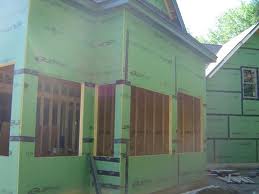
Often when planning a first floor addition homeowners focus on the size of the
addition and the interior space.
|
Though these are important
considerations they need to be balanced with the exterior aesthetics and how the
home addition ties into the existing home. The first floor addition should be
sized proportional to the existing home for example. In addition, it’s key to
match the exterior siding to the rest of the home. For example, you don’t want
to have a vinyl sided addition while the rest of the home is wood clapboard. If
on the other hand the main part of the home has brick facing, then using wood or
vinyl siding on the first floor addition can work, if the right colors are
chosen.
|
Exterior door and window location and
selection are also key. For example, you want to make sure to use the same size
and style windows on the first floor addition if they are to be visible with the
other windows on the main house. Also any window grille work should be the same.
Similarly exterior door selection should be the same, or at least complement the
rest of the home.
Roofing
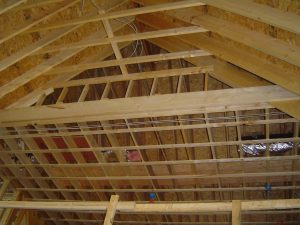
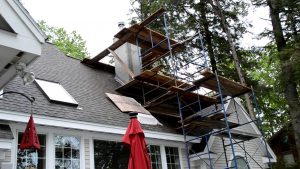
Roof design is also a major consideration with a first floor addition.
|
|
It’s important that the home addition roof meld in well with the existing home,
whether it be melding into an existing roof line or abutting an exterior wall of
the main home. The three main types of roof designs to consider are shed, hip,
or gable. Use the roof style and roof pitch that best melds into the existing
home. Also, make sure to select roof shingles that match the existing roof
shingles of the home. If the first floor addition’s roof is attaching directly
to the main roof you may have no choice but to shingle the entire roof, room
addition and main roof, to prevent any type of visual shingle seam.
Flooring
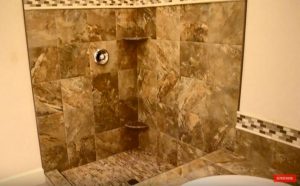
When considering flooring for your first floor addition, keep in mind that
carpeting is probably your cheapest solution. Wood flooring and ceramic tile
flooring will cost quite a bit more, but it will look better, it’s easier to
maintain, and future potential homebuyers will value it more than the carpet.
Heating and
Cooling
Another major concern when building a first floor addition is the home’s heating
and cooling system. Often when building a first floor addition the existing
heating and cooling system will be insufficient for the increase in living
space. You may have to include in your home addition budget funds for installing
a larger heating/cooling system, or alternatively installing supplemental
heating and cooling in the home addition itself.
|

Photo by Mark Donovan |
Electric
Finally, in regards to electric, depending upon the size of the first floor
addition you may need to add 1 to 3 more circuits to the electric panel. Check
to see if the existing main circuit panel can support the additional circuits.
If not, you’ll need to either put in a larger main circuit panel or install a
sub-panel.
By keeping these key first floor addition topics in mind during the planning
process of your project you should have a much better chance of achieving a
functional and aesthetically attractive addition.
Want to Build Your Own Home Addition, see HomeAdditionPlus.com's
Home
Addition Bid Sheets.
Our
Home
Addition Bid Sheets
provide you with the knowledge and information on how to plan a home building
project, and what to look for when hiring contractors. They also include
detailed cost breakdown tables and spreadsheets for estimating your own new home
construction building costs.
How to Finance your Home Addition Building Project -
can help provide funds for your new home improvement project if financing is
required.
Related Information on Home Addition Building
Design Software for Developing your own Home
Addition Plans from Amazon.com
Free Home Addition
Price Quotes with No Obligation!
Fill out our 3-5 minute quick and easy form, and receive a free price quote
on a room addition from one of our prescreened and licensed home addition
contractors. This process is free and there is no obligation to continue once
you receive your home addition estimate.
|
|
|