From Home Additions Building Expert Mark Donovan
|
|
|---|


View these Home Remodeling Checklists |
Learn how to* Hire Home Remodeling Contractors
|
|---|
DIY Home Additions and Home Remodeling
If you’re looking to build a home addition or custom home, finish a basement, or remodel a kitchen or bathroom you’ve come to the right place. We provide homeowners with the how-to information and tools to complete their home building project on time and budget, and with less hassles. We also provide all types of how-to information on DIY home repair and house maintenance projects. So whether you’re simply looking for home addition ideas, or need expert advice on fixing or remodeling your home, we have you covered.
Press Releases |
DIY Home Additions and Building Homes |
|---|---|
Product Reviews |
Managing Home Building Contractors |
Top 10 Things to do Before Hiring a Home Remodeling Contractor |
|
How to Build a Home Addition Affordably
|
New Home Construction Checklist
|
|---|
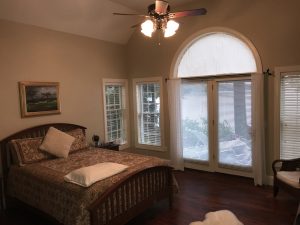

DIY Building a Room Addition Checklist
|
|
|---|
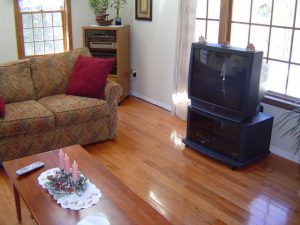
DIY Home Addition Plans, Cost Estimator Tools and More
Whether it’s a bump out home addition, a second story room addition, or a modular house addition, HomeAdditionPlus.com provides house and home addition plans, DIY home addition cost estimator calculators and checklist tools, home addition cost per square foot information and access to the best home remodeling and building contractors in the industry.