|
|
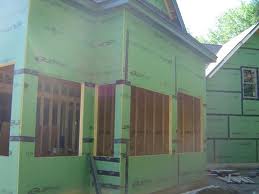
Cripple walls are usually found
between the top of a foundation wall and the first floor of a home. Cripple
walls are frequently used when foundation walls are stepped down to maintain
continuity with the soil grade around the foundation. Cripple walls are
typically constructed out of 2x4 or 2x6 wall studs, and sheathed on the
outside with exterior grade plywood or Oriented Strand board (OSB).
Cripple walls offer several
advantages over full height foundation walls. |
First, cripple walls cost less to
construct than full height concrete foundation walls. For example, using a $70
per cubic yard figure for concrete, it would cost approximately $5 per linear
foot for a 3 foot high 10” thick foundation wall.
|
|
Alternatively a 3 foot high framed
cripple wall would cost approximately $2.5 per linear foot in lumber and
material.
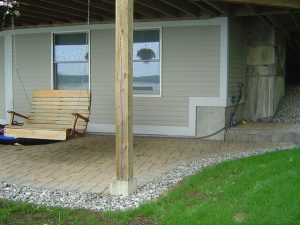
Second, cripple wall construction
offers more flexibility in installing windows, and for running utility conduit
pipes and plumbing lines out of the home.
Cripple wall construction also
enables better exterior home aesthetics as the house siding can be brought down
closer to the finished soil grade. |
|
Cripple walls, however, do have
their problems. First, they are the weak links in earthquake prone areas.
Consequently there are strict regulations on the maximum height of cripple
walls, and how they are physically constructed and attached to concrete
foundation sills. It is imperative that they are properly braced to prevent
them from shifting and collapsing during seismic events. Typically methods
for bracing cripple walls includes: anchoring the cripple wall sill plates
to the foundation walls with bolts or other methods, adding horizontal
blocking at the top and bottom of the cripple wall, and adding plywood
sheathing to the interior walls. |

Photo by Mark Donovan |
Cripple walls also cannot be
installed too close to the finished grade soil, otherwise they are prone to
being conduits for water and insect damage to the home. As a result, there
are strict building codes on minimum foundations wall heights relative to
surrounding finished soil grades.
So before deciding upon using
cripple walls in your home construction project it is best to first talk to
your local building inspector to understand the local building codes, as
they relate specifically to cripple wall construction.
|
Find a Qualified Home Building Contractor in Your Area |
|
Get Free Quotes. Easy, Quick and No
Obligations!
For the home improvement or home remodeling project that is
too big for you, check out our partner
NeedContractor. They are a national
resource for finding pre-screened, insured, and licensed home improvement
and remodeling contractors in your local area.
|

|
|
Get Matched in 48 hours with Home Building Contractors! |
For more help on how to build a custom home, see HomeAdditionPlus.com's
New Home
Construction Bid Sheet.
The
New Home Construction Bid Sheet
provides you with the knowledge you will need on how to plan for the building of
a custom home,
and what to look for when hiring contractors for your new custom home building
project. It
also includes a detailed cost breakdown table and spreadsheet for estimating
your own new custom home building costs.
How to Finance your Home Project -
can help provide funds for your new home improvement project if financing is
required.
Additional Framing and Carpentry Resources
Framing and Carpentry Tools from Amazon.com
|