| |
|
Drywall Tools
Quality Drywall Tools will help to Ensure a Quality Drywall Project
By Mark J. Donovan
|
|
As with any home remodeling task
it is important to use the right tools when undertaking a drywall project.
When I tackled my first drywall project I used a home-brewed drywall hawk
made from a one foot square piece of plywood and a ripped length of 2x4, and
a 6" taping knife, for the entire taping and mudding phase of the project. I
also used a homemade drywall lift using a couple of long 2x4s to hold the
drywall to the ceiling. The finished results were adequate, but far from
professional.
|
To obtain a professional drywall
finish it is important to use the right drywall tools. I view some drywall
tools as imperative and others as "nice-to-have".
At the top of my list for key
drywall tools are a utility knife, drywall screw gun, drywall hand saw, measuring
tape, drywall rasp, and a T-square for cutting and hanging drywall. If you
prefer to fasten the drywall to the wall studs with nails, then alternative
to the screw gun you will need a drywall hammer.
|
For drywall taping and
mudding tools it is imperative to have a 4-6" drywall joint knife, a
10-12" drywall taping knife, a mud pan, a pole sander, dust masks and a
pair of safety goggles.
The measuring tape, utility
knife, rasp, saw and T-square are essential for measuring and cutting
drywall quickly and accurately. The drywall rasp is necessary for
rounding down the cut drywall edges, and the drywall hand saw is
required for cutting out holes for electrical outlets and switches, and
for other odd cuts. |

Photo By Mark Donovan |
|
|
The mud pan is for holding joint
compound while you apply it to the walls and ceiling surfaces.
The 4-6" drywall joint knife is
necessary for applying the first coat of drywall to the seams, corners, and
nail/screw heads. It is also necessary for applying the finishing coats to the
corners.
The 10-12" drywall taping knife is
necessary for removing excess joint compound on the taped seams after the first
application of joint compound, and for applying the finishing coats of joint
compound.
|
The drywall pole sander, mask and safety goggles are necessary during the sanding phase
of the drywall project.
|
Find a Qualified Drywall Contractor in Your Area |
|
Get Free Quotes. Easy, Quick and No
Obligations!
For the home improvement or home remodeling project that is
too big for you, check out our partner
NeedContractor. They are a national
resource for finding pre-screened, insured, and licensed home improvement and remodeling contractors in your local area.
|

|
|
Get Matched in 48 hours with Drywall Contractors! |
Other "nice-to-have" drywall tools
include a drywall lift, a drywall banjo and a router with a special cutting bit.
Drywall lifts help to place and attach drywall onto ceilings. A drywall banjo
helps in the application of drywall tape and joint compound to the seams,
however these tools take a little practice. A router is ideal for cutting out
holes for electrical outlets and switches.
So before you embark on a drywall project make sure you purchase the right
drywall tools first.
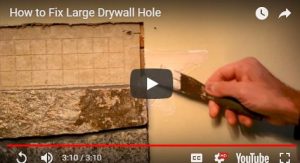
How to Repair a Large Drywall Hole Ebook
- If you have a large hole in your drywall and need to repair it,
you can
either call in a drywall contractor and pay an arm and a leg, or you can fix
it yourself. The "How
to Repair a Large Drywall Hole Ebook" will show you how to
repair your damaged wall so that it looks as good as new.
See HomeAdditionPlus.com's
Drywall Calculator
For more help on new home construction, see
HomeAdditionPlus.com's
Home Construction Contractor Bid Sheets.
Home
Construction Contractor Bid Sheets
will
help ensure that you find and hire the right home building contractor
for your next home improvement, remodeling, or building project. In addition,
they will help to ensure that your home improvement project is completed on time and on budget.
Additional Drywall Resources from Amazon.com
Drywall Tools From Amazon.com
|
|
|