HOME ADDITION PLUS

Helping Homeowners Every Day


                      Home   How-To   Store   Ebooks   Bid Sheets   Add House   About   Contact   Search   Subscribe to Newsletter  


Home Addition Bid Sheet  


Home Improvement Tools from Amazon


Visit My

Amazon

Tool Store


Insulating and Ventilating Attics


A Properly Insulated and Ventilated Attic Prevents Water Damage and Saves Money


By Mark J. Donovan


Late Fall is an excellent time of the year to inspect the attic and if necessary make some minor improvements.  A well-insulated and ventilated attic can save you a lot of money and aggravation.  The attic can be a significant contributor to heat loss from your home if not properly insulated. Also, if the attic is not properly ventilated your roof can become susceptible to ice damming. Ice damming can lead to major damage inside the home.

Ice dams start when heat builds up in the attic and causes snow on the roof to melt. The water from the melted snow runs off towards the eves of the roof. As the water nears the eves it begins to cool again and refreeze as ice.  After several days of this process the ice builds up and forms dams. Eventually the ice dams cause water from the melting snow to back up underneath the shingles and onto the bare roof sheathing.

Attic Insulation and Ventilation

Once there, the water finds cracks and nail holes to slip through. Finally the water works its way down onto the ceiling sheetrock and begins to cause major damage inside the home.


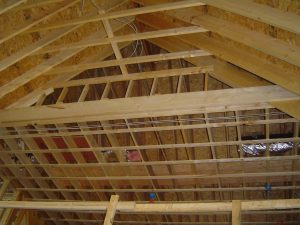
By ensuring a well insulated and ventilated attic ice damming can be eliminated. So when inspecting your attic, make sure you have sufficient insulation and that it has not been compressed down. Also make sure soffit, ridge and gable end vents are free from material that can clog them, e.g. Bees nests. You may also want to consider installing additional venting if your roof has had a history of ice damming even after additional attic insulation has been installed. Finally, if the insulation layer between the ceiling joists is jammed up tight against the inside slope of the roof you should install attic foam rafter vents or chutes. The rafter vents will ensure that air flows smoothly between the soffit and ridge vents.

Find a Qualified Attic and Home Remodeling Contractor in Your Area

Get Free Quotes.  Easy, Quick and No Obligations!


For the home improvement or home remodeling project that is too big for you, check out our partner NeedContractor. They are a national resource for finding pre-screened, insured, and licensed home improvement and remodeling contractors in your local area.

Find Local, Pre-Screened Attic and Home Remodeling Contractor


Get Matched in 48 hours with Attic and Home Remodeling Contractors!

For help on Attic Conversion and Attic Renovation Projects, see HomeAdditionPlus.com's Attic Conversion Bid sheet. The Attic Conversion Bid sheet will help to ensure that you hire the right contractor so that your attic conversion project is built correctly, on time and budget.

How to Finance your Attic Project -  can help provide funds for your new home improvement project if financing is required.

Related Attic Insulating and Ventilating Information


- Insulating and Ventilating Attics -

[Back to Attics]


Subscribe -  Subscribe to HomeAdditionPlus.com feed via Google  Subscribe to HomeAdditionPlus.com feed via MyYahoo  Subscribe to HomeAdditionPlus.com feed


to HomeAdditionPlus.comVideos

Advertise @HomeAdditionplus.com / Favorite Links / SiteMap / ToS

Copyright 2005-2009 by DIY HomeAddition Plus.com - A Do it Yourself Home Improvement Site

webmaster

web metrics