By: Mark J. Donovan
Key areas of interest to both you and
the building inspector will be the size of the existing attic floor joists
(lower level ceiling joists), the use of trusses in the roof construction, and
the modification of any existing collar ties, braces and other structural roof
members. It is important not to remove or modify existing collar ties, braces
and other structural roof members without first getting building inspector
approval. To do so could result in a dangerous compromise of the roof’s
structural integrity.
Use Nail Gun on
Attic Conversion Project
When framing an attic, I highly
recommend the use of a nail gun, such as the
Bostitch F21PL Round Head 1-1/2-Inch to 3-1/2-Inch Framing Nailer with Positive Placement Tip and Magnesium Housing
, as the use of a hammer could disturb the lower
level drywall ceilings.
Framing Attic
Ceiling
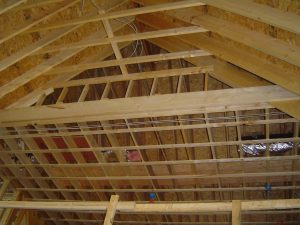
When framing an attic addition and a
flat ceiling is desired, at least for a portion of the room, collar ties will need
to be attached between the roof rafters. Collar ties are cross members that
connect roof rafters together. Collar ties should be constructed out of 2-by
framing material.
In creating the flat attic ceiling it is
important to make sure the collar ties are positioned at the same height from
the attic floor, from roof rafter to roof rafter. The best way to do this is to
use a chalk line and a 4 foot level.
Start by measuring from the attic
floor to the roof rafter for the desired attic ceiling height. Mark this location on a
roof rafter at one end of the attic. Repeat the process at the far end of the
attic addition. Now snap a chalk line between the points. You should end up with
a reference line that runs across all of the roof rafters on one side of the
future attic addition.
Repeat the process on the other side
of the attic addition.
Now you should have the reference
lines on each side of the roof rafters to act as reference guides when
installing the collar ties. This said, I additionally recommend the use of a 4
foot level to make sure the collar ties are level as you nail them to the roof
rafters. Check collar tie to collar tie, as well as across each collar tie using
the level.
Framing Attic
Walls
To frame the attic walls, it is best
to build them on the attic floor and then stand them in place when they are
done.
When framing an attic wall, sandwich
2x4 vertical stud members between top and bottom 2x4 plates. Then cap the top
plate with an additional 2x4 for added wall strength. The stud spacing should be
on 16” centers.
When cutting the 2x4 vertical studs,
transfer the roof pitch onto one end of the studs. This angled cut will be
positioned such that it forms the top of the wall. The top plate and cap plate
will nail to these angled cuts. The bottom plate will nail to the 90 degree cut.
Boxing in Chimney,
Vents and other Obstruction Areas
Inevitably you will need to box in
around items such as a chimney, vents and other obstruction areas. It is best to
develop an attic conversion plan that integrates these obstructions into closet
areas or unfinished areas.
For more help on Building an Attic Addition,
see HomeAdditionPlus.com’s “Attic
Conversion Bid Sheet”. The "Attic
Conversion Bid Sheet" will help ensure that your attic conversion or
attic renovation project goes smoothly and is completed on time and budget.
Fill out our 3-5 minute quick and easy form, and receive a
free price quote on building a second floor addition from one of our prescreened and licensed
home addition contractors. This process is free and there is no obligation to
continue once you receive your home addition price estimate.