|
|
Do you have
a large unfinished attic space? If so, finishing an attic is a great way to gain
more living space in your home. A finished attic can be an ideal location for
another bedroom, a home office, or even a game room. However, before moving
forward with converting an attic into finished living space you should check
with your local building inspector. There are a few key items that you need to
first evaluate before moving forward with finishing your attic.
|
|
Of
particular concern are sufficient headroom, ingress/egress access (e.g.
stairs/windows), and the structural design of the attic, e.g. the use of roof
trusses. Make sure to check local building codes to see what the specific
requirements are for finishing an attic in your area.
|
|
Though
there are some potential financial and logistical advantages in finishing an
attic versus building an attached home addition, there are still many items that
need to be addressed when converting an attic into finished living space.
Besides having adequate headroom height and proper ingress/egress to the attic,
you also need to consider heating and cooling, insulation, electrical, bringing
in natural light, and even strengthening the floor. Typically the ceiling joists
of the lower level are inadequate for supporting the weight of a finished attic
living area. |
|
Consequently you may need to add reinforcement to the existing ceiling joists
when finishing your attic.
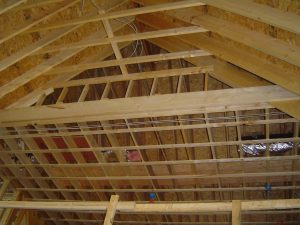
Also, if roof trusses were used in the building of your home, then you will need
to have a structural engineer evaluate what you can and cannot do to modify the
roof trusses. Roof trusses are specifically designed for each home, and cutting
them can seriously threaten the structural integrity of your home’s roof. |

Photo by Mark Donovan |
If
finishing your attic also includes a bathroom, then there are even more
challenges to deal with. Installing a bathroom in an attic requires tying in new
drain pipes into the home’s existing drain and vent stacks. In addition, water
supply lines need to be pulled up from the lower levels into the attic.
There is also the logistical issue of getting construction material up into the
attic, e.g. 4’x8’ sheets of plywood and drywall, 2x4’s, etc. Not only can there
be physical limitations in the existing home that prevent the material from
being brought into the home, there is also the risk of damaging lower level
flooring and walls while bringing the material up into the attic.
|
Find a Qualified Attic and Home Remodeling Contractor in Your Area |
|
Get Free Quotes. Easy, Quick and No
Obligations!
For the home improvement or home remodeling project that is
too big for you, check out our partner
NeedContractor. They are a national
resource for finding pre-screened, insured, and licensed home improvement and remodeling contractors in your local area.
|

|
|
Get Matched in 48 hours with Attic and Home Remodeling
Contractors! |
|
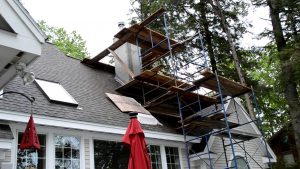
Sometimes
it makes more sense to cut a large opening in the attic for a window, and bring
the construction material in through the opening via a boom lift.
Finally,
when considering finishing an attic, think about including one or more dormers
into your attic conversion plans. Though including shed or dog dormers means
cutting into your home’s roof, they can provide additional head room height, let
in copious amounts of natural light, and provide the opening you may need for
bringing construction material into the attic.
|

Photo by Mark Donovan |
For help on Finishing an Attic, see HomeAdditionPlus.com's
Attic Conversion Bid sheet. The
Attic Conversion Bid sheet will help
to ensure that you hire the right contractor so that your attic conversion
project is built
correctly, on time and budget.
How to Finance your Attic
Conversion Project -
can help provide funds for your new home improvement project if financing is
required.
Related Attic Information
|