|
|
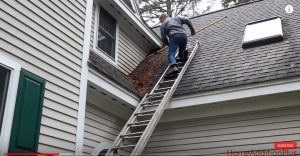
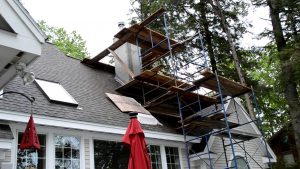
Roof step flashing is used where
a roof line runs into a vertical wall, such as the side of another part of
the home, e.g. a dormer, or where a one story attached garage runs into the
side of a two story home.
Roof step flashing is used to
prevent roof water from entering the home, where it can lead to rot, mold
and mildew problems. Roof step flashing channels water away from the
vertical wall and down the roof line. |
|
|
Over time step flashing can
become damaged or corroded. As a result, it is important to check your roof
a couple of times a year to look for shingle and step flashing damage. When
you find damaged step flashing it is vital that you repair it quickly to
prevent water from entering the home.
To replace roof step flashing,
you need a few basic tools, step flashing, and a ladder. You can buy step
flashing as small flat metal sheets, or pre-bent to a 90o angle. |

|
|
|
For tools and
materials you will need a pair of tin slips, hammer, flatbar, work gloves,
roof cement, and a few galvanized roofing nails. You may also need a few
galvanized siding nails if you need to remove siding from the home.
Instead of
removing the old step flashing, it is usually less effort to simply install
a new piece over the old one. The first step in installing new step flashing
is to measure the length of flashing necessary and to cut it to length using
your tins snips, if necessary. Make sure you wear work gloves when cutting
metal flashing as it is extremely sharp.
|
After cutting the roof step flashing,
bend it to form a 90o angle, if you bought the flat type step
flashing.
Next, slide the vertical side of the
flashing up and underneath the vertical wall home siding, while at the same time
sliding the horizontal side up and underneath the adjacent roof shingle. Make
sure you slide the horizontal side over the existing damaged step flashing. Use
a little roof cement to hold it into place.
If you are unable to easily slide the
piece of roof step flashing up and underneath the siding or shingles, you may
need to remove a little of the house siding. In some cases, you may also need to
remove a couple of shingles to get access to the old roof step flashing.
Once you have removed the necessary
house siding and shingles, remove the old piece of step flashing. Then slide the
new step flashing into place, up underneath the shingle if it was not removed,
and against the vertical wall. Note that the flashing should go up the vertical
wall by approximately 2 inches.
Fasten the step flashing to the
vertical wall with one galvanized roofing nail. Do not put any nails into the
horizontal side of the flashing that is resting on the roof. Again, use a dab of
roofing cement to hold the flashing up against the backside of the shingle and
to seal any seams.
Finally, nail the house siding back
onto the house and replace any removed shingles. Again, use a dab or two of
roofing cement to hold the shingles flat against the roof.
|
Find a Qualified Roofing Contractor in Your Area |
|
Get Free Quotes. Easy, Quick and No
Obligations!
For the home improvement or home remodeling project that is
too big for you, check out our partner
NeedContractor. They are a national
resource for finding pre-screened, insured, and licensed home improvement and remodeling contractors in your local area.
|

|
|
Get Matched in 48 hours with Roofing
Contractors! |
For help on Shingling Your Home's Roof, see HomeAdditionPlus.com’s
Asphalt Shingle Roofing Bid Sheet.
The
Asphalt Shingle Roofing Bid Sheet
will
help to ensure
that
your roof won't end up with a blue tarp over it and a dumpster sitting in your
yard for weeks
as you wait for the roofing contractor to come back and finish roofing your
home.
How to Finance your Roof Project -
can help provide funds for your new home improvement project if financing is
required.
|