|
|
Living in northern New England frozen pipes is a common concern during the
winter months. Temperatures often drop into the single digits, and on occasion,
below zero. Frozen pipes can cause pressures to build up inside the pipes in
excess of 2000 lbs/square inch, which is more than enough pressure to cause them
to burst. Frozen water pipes that burst are an absolute disaster to a home.
Besides water damage there is also the concern for eventual mold and mildew
growth. Often the home occupants have to temporarily move out of the home until
the repairs to the home and plumbing system are completed. |
Also, in New England, many homes are heated with forced hot water heating
systems and require oil and electricity to operate. Loss of electricity during
the winter months, even for as short as 24 hours, can easily cause a frozen
water pipe condition.
Preventing frozen water pipes really begins during the construction of the home,
and fortunately there are many building codes in place to help mitigate the risk
of frozen water pipes. For example, plumbing supply lines should only be routed
in interior walls. Plumbing supply lines in exterior walls is just a recipe for
disaster. In addition, plumbing supply lines running in basement ceilings or
near exterior walls should be kept well away from outside vents, walkout doors,
and basement bulkheads. The bottom line, plumbing lines should not be located
anywhere near fresh air intake pipes or other locations where they could be
exposed to fresh air.
|
|
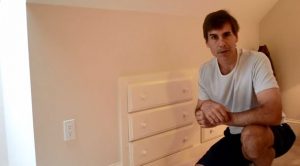
Years ago I had a frozen pipe burst in a crawl space associated with my gambrel
style roof. Some of the forced hot water heating pipe was installed behind the
finished wall in the upstairs of the home and in the natural crawl space
associated with gambrel roofs. Even though the frozen pipe had pipe insulation
around it, the pipe still froze and burst. In addition, the zone valve in the
basement that was associated with this particular hot water heating circuit also
began to leak due to the additional pressure in the frozen pipe. The sweated
joint around the zone valve basically failed.
|
To make the repairs, I had to sweat
in a new section of copper pipe and re-sweat the zone valve. I also increased
the insulation around the pipe and then wrapped the insulated pipe in additional
batt insulation so that it was effectively on the warm side of the interior
wall.
After a home is built, there are limited things that you can do to prevent
frozen pipes, other than to make sure the home is adequately heated and that the
pipes are not exposed to cold outside air. This includes the garage, where
heating pipes may be routed for finished rooms above them. It’s always a wise
idea to make sure the garage doors stay closed during the winter months whenever
possible.
Also, if you are going to be away for a period of time, you may want to allow
the faucets to drip ever so slowly. Even the slightest movement of water in the
pipes can prevent them from freezing and will help to relieve pressure if they
do begin to freeze, thus mitigating the chances of them bursting.
In addition, wrapping your basement or crawl space plumbing supply line pipes in
insulation is also helpful. By doing so, you reduce the risk of the pipes
freezing, and prevent condensation concerns during the hot and humid summer
months.
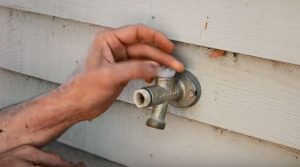
Also, make sure outside garden hoses are disconnected from hose bibs and that
the hose bibs are shut off from inside the home.
Kitchen and bathroom cabinet areas are also areas where pipes can often freeze,
due to the fact that less warm air enters them. Leave the cabinet doors open
when away to allow the area under the sinks to stay warmer.
Thawing Frozen Pipes
In the event you do encounter a frozen pipe that has not yet burst, first turn
up heat in the room. Next, if you have access to the frozen pipe, warm it with a
heat lamp or hair dryer. Never use a torch as you could end up burning down your
home.
If the frozen pipe is behind a wall, again turn up the heat and use an infrared
lamp directed towards the wall (but not too close) to help warm it up and thaw out the frozen pipe.
If unsuccessful, you may have no choice but to remove some of the drywall to get
to it.
To prevent the pipes from freezing again, insulate around them better. You may
also want to apply electric pipe heater tape to them.
|
Find a Qualified Home Plumbing Contractor in Your Area |
|
Get Free Quotes. Easy, Quick and No
Obligations!
For the home improvement or home remodeling project that is
too big for you, check out our partner
NeedContractor. They are a national
resource for finding pre-screened, insured, and licensed home improvement and remodeling contractors in your local area.
|

|
|
Get Matched in 48 hours with Home Plumbing Contractors! |
Related Information