Home Addition Plus

Helping Homeowners Every Day

 
    Home How-To Store Ebooks    Bid Sheets HouseSight About Us Contact


Bathroom Remodeling Bid Sheet  


Home Improvement Tools from Amazon


Visit My

Amazon

Tool Store


Flushing Hot Water Heater

How to Flush Out a Hot Water Heater to Improve its Efficiency and Extend its Life

By Mark J. Donovan


Every couple of years it’s a wise idea to clean your hot water heater, or more specifically flush out your water heater. Over time minerals and sediments can build up at the bottom and on the sides of your hot water heater and cause it to work less efficiently. As a result the life of your hot water heater can be dramatically shortened if you do not occasionally flush it out.

Flushing a hot water heater is easy to do and requires only about an hour of your time. The first step in flushing out a water heater is to turn off the circuit breaker to it.


Immediately follow by turning off the cold water supply to it. If you have a Propane or LP fired water heater leave the gas valves on.

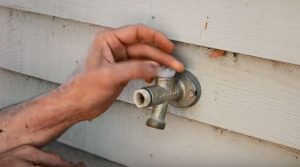
Next attach a garden hose to the drain hose bib at the base of the hot water heater. Run the other end of the hose outside or to a drain where the water can safely be dispersed.

Then turn on a hot water sink or tub valve in the home, preferably one closest to the hot water heater. This will break the vacuum so that water drains from the hot water heater freely.
 

Next turn the valve on at the hose bit at the base of the hot water heater. The water should then begin to drain from the hot water heater. As the hot water heater empties you may notice some of the sediment draining from it, particularly when the tank is nearly empty. Note that it could take 15 to 30 minutes for the tank to fully drain depending upon how much sediment is in the base of the hot water heater.

After the water has been drained from the water heater, turn the cold supply line to the water heater back on while leaving the hose bib valve turned on.


This will allow fresh water to flush out the water heater and remove any additional loose sediment and minerals. Repeat turning on and off the cold line supply water valve a few times to thoroughly flush the hot water heater.


Once you’ve flushed the hot water heater a few times close the cold supply line valve to the hot water heater and then close the hose bib valve at the base of the water heater.


You can then remove the garden hose. Be careful not to spill water from the hose onto the floor of your home.

Next turn the cold water supply line back on to the hot water heater. Once the hot water heater is full and you begin to see water coming out of the hot water sink or tub faucet in a steady stream, without air blasts, you can close it off as well.

Flushing Hot Water Heater

Photo by Mark Donovan


Finally, turn the circuit breaker back on to the hot water heater. At this point the hot water should turned back on and begin heating the water again.


Plumbing - Toilet Repair / Toilet Maintenance


Find a Qualified Home Plumbing Contractor in Your Area

Get Free Quotes.  Easy, Quick and No Obligations!


For the home improvement or home remodeling project that is too big for you, check out our partner NeedContractor. They are a national resource for finding pre-screened, insured, and licensed home improvement and remodeling contractors in your local area.

Find Local, Pre-Screened Home Plumbing Contractor


Get Matched in 48 hours with Home Plumbing Contractors!


Additional Home Plumbing Resources


Toilet Tank Fill Valves and other Toilet Parts from Amazon.com


- Flushing Hot Water Heater -

[Back to DIY Plumbing Tips and Ideas]


Follow HomeAdditionPlus on Twitter

to HomeAdditionPlusVideos / Subscribe to HomeAdditionPlus.com feed

Advertise / Favorite Links / SiteMap / ToS / Privacy Policy / Disclosure Policy

Copyright 2005-2012 by DIY HomeAddition Plus.com - A Do it Yourself Home Improvement Site


web metrics