| |
A
must have if
hiring a contractor!

Need to Buy or
Sell a Home!
|
Fixer Up Homes
By Steve Gillman
|
|
You've bought a fixer upper home you can make some money
on. Where do you start? What improvements and repairs are
most important? Actually, you need to know this before you
buy. Always start with the end in mind, and have a plan to
get there. Whether before and after you buy, though, there
are some simple rules for analyzing possible fixes.
Return On Investment
Years ago I was a real estate agent sitting across the
kitchen table from a very disappointed young couple. |
I had just told them there house was worth $110,000. "But we just put $40,000
into remodeling the kitchen!" they told me.I looked around, and it was nice.
Maybe they added $10,000 in value to the house by spending that $40,000. There's
was a classic example of a bad return on investment.
With fixer upper homes, you need to do things which give
the most "bang for the buck." Try aiming for a
three-to-one return on improvements. Before you resurface
the driveway for $1000, ask if it will raise the value of
the home by $3,000. Even if it's a guess (especially if
it's a guess), keep this three-to-one formula in your
head, if you want to invest safely.
How To Fix Fixer Upper Homes
With new curtains, flowers, ceiling fans and such, you
can't really estimate the increase in value for each item.
Instead, group together the many small repairs and
improvements you're considering, and imagine how the house
will look when you are done.
|
|
Then estimate whether you
will increase the value enough to justify
the cost. Often it's in the small details that you'll get the best
return on investment, so look at these first. New mailbox,
flowers on the porch, a raked yard and trimmed trees - $35
total if you do the work yourself - can make a big
difference in the first impression potential buyers have.
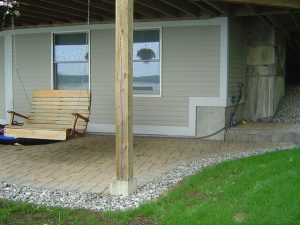
First impressions are important. |
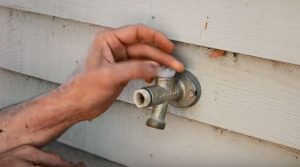
Other small investments that more than pay their way
include shiny new switch covers (less than $1 each),
shelves, a birdhouse, new doorknobs, new light fixtures,
curtains, new rocks or wood chips on outdoor paths, new
faucets, new wood stain on decks, and general cleaning.
Stand out in front of the house and imagine what it might
look like with all the various small improvements
(flowers, wood-rail fence, birdbath, etc.).
|
Find a Qualified Home Remodeling Contractor in Your Area |
|
Get Free Quotes. Easy, Quick and No
Obligations!
For the home improvement or home remodeling project that is
too big for you, check out our partner
NeedContractor. They are a national
resource for finding pre-screened, insured, and licensed home improvement and remodeling contractors in your local area.
|

|
|
Get Matched in 48 hours with Home Remodeling
Contractors! |
Big Fixes
Of course there are things that just have to be repaired.
Basic systems must function. Improvements, however, should
be subject to the three-to-one rule. You can get creative
here. A friend of mine once had a simple wall put up, and
for less than $1000 created a new bedroom, probably
raising the value of the house by $8,000. That's a good
return on investment.
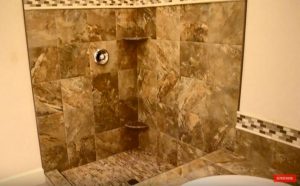
Bathrooms and kitchens are important to buyers. A $1000
updating of a bathroom can add $4000 in value to a home.
Spend $2000 wisely in the kitchen (New fridge, re-finish
the cupboards, add a garbage disposal, etc.), and you can
add $8000 to the value of the house. Look for the changes
which are most universally valued (don't paint the kitchen
pink because YOU like that color), and be sure you get a
decent return on investment.
Depending on the fixer upper homes you look at, there are
many types of potential improvements that may be worth
doing. These include adding carports, new doors, fences,
gazebos, sheds, painting, carpet, benches, a new closet, a
new toilet, a new stove, a shower/tub surround, and trees
or bushes. The bottom line is the bottom line: be sure
anything you do returns more than you spend, preferably
three times as much.
Looking for Custom house plans? See
House Plans
|
|
|