|
|
|
FAQ'S
About Using Stone in Your House
Common Questions and Answers to Using Stone in
Your Home
By Mark J. Donovan
|
|
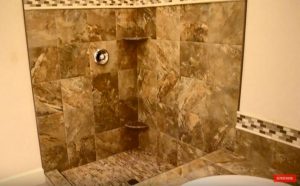
Stone is a great material to use in your home. There are
many different types of natural stone that are used in new home
construction today. Incorporating stone into a home provides elegance and
old world charm to a house with its wonderful textures and natural colors.
Stone is timeless and will never go out of style. Natural stone is used
for flooring, kitchen countertops, and fireplaces just to name a few
applications. If you have new home construction plans, or are simply
looking to remodel a space within your home, consider using stone. |
What type of Stone Finishes are Available?
Choosing the right natural stone for your home application can be challenging
simply due to the fact that there are so many choices. To begin with natural
stone is available in a number of different finishes. The list of stone
finishes include polished stone, hone stone, antique tumbled stone, brushed
stone, flamed stone, and cobbled or distressed stone. Polished stone has a
high gloss appearance, whereas honed stone has an unpolished surface. Tumbled
stone has an even less polished surface and its edges are rounded. Antique
tumbled stone has a moderately smooth surface and slightly tumbled edges to
achieve a rustic look. Cobbled and distressed stone have a very old look due
to being heavily tumbled. Flamed stone has a rough textured and torched
surface that is acid washed to achieve a smooth textured surface.
What are Common Stone Types Used in the Home?
In regards to the particular type of stone to use there are many to choose
from. Common stone used in houses today included granite, travertine, slate,
marble, and limestone. Most of these stones can be purchased in a variety of
forms including slab, dimensional tile form, and in various piece sizes and
thicknesses.
|
|
Granite stone is quarried from many parts of the
world. Consequently granite stone comes in a plethora of colors and
patterns. It is available in large slabs or tile form. Prices can vary
widely due to the rarity of the stone color and pattern, and the thickness
of it. It can have both rough and smooth finishes depending upon the
polishing done on it. Honed and flamed surfaces are very common with granite
stone. Limestone is another popular choice with homeowners as it
can be used virtually in any home application. |
Limestone generally is available in softer tone colors. It can also have
gentle swirls in it or a speckled grain appearance. Limestone can also be
purchased in many different finishes. Like granite, it too can be purchased in
slab or tile form.
Slate stone has been used for centuries for roofs, flooring, and
walkways. Slate has a rough textured surface. It can be purchased in
dimensional tiles or in a wide variety of shapes and sizes. It can even be
purchased in slab form. It is ideal for bathroom applications, or wherever
there is water such as in showers, spas, hot tubs, and pool areas.
Marble stone is also commonly found in homes. Over the centuries it has
been used for flooring and around fireplace hearths. The early Romans and
Greeks used marble extensively in their buildings. It is available in a wide
variety of shapes, sizes and colors. It also stains, scratches, and etches
easily and thus is available in an infinite amount of shades and textures. It
is also known for its unique veining. It is also available in a number of
finishes. Smooth marble finishes can be extremely slippery when wet so it is
wise not to use it in wet areas.
Travertine stone is a form of marble that has a very textured
appearance. It is effectively a version of marble with holes in it. Thus it is
very porous. Though porous, it can still be used in wet applications or where
staining is possible as long as the travertine stone is grouted or sealed.
Also, you can buy travertine with the holes pre-filled, however often the
epoxy used gives a slightly unnatural look to the stone. In my opinion it is
better to simply fill the holes with the color grout you are using on the
stone project.
Is Stone Susceptible to Staining?
Stone also has inherent etching, pitting and cracking in it to add to its
natural charm. The only issue with these stone features is that the stone can
be susceptible to staining if a liquid is spilled onto them. Using sealers
over stone can help to mitigate staining and allow you time to wipe up the
spill before the liquid can sink in and cause permanent staining. If staining
does occur, it’s best to chock it up to part of the natural aging of the
stone.
How Much Stone to Buy?
When buying natural stone, keep in mind that it is quarried and not
manufactured. Consequently it is difficult to find additional stone of the
same exact color, pattern, thickness and texture, even from the same store. As
a result, it is best to buy more than enough of the exact natural stone for
the particular project you’re working on. Chances are that if you run short in
your stone project, you’ll be unlikely to find more of the exact type that you
are looking for even at the same store.
I typically buy about 10% more than what the room measurements indicate.
Buying extra helps to ensure I have enough to complete the job. With any stone
or tile project there is always breakage and cutting that eats into your
material requirements. Also, I like to have a few extra pieces that I can
store away for a rainy day, such as in the event of a damaged stone.
Is the Installation of Stone more Expensive than Ceramic Tile?
Stone is installed very similar to ceramic tile as the same installation
materials and tools are used. The only real difference is in the thickness of
the stone relative to ceramic tile. The extra weight of the stone consequently
requires a bit more effort and time to layout, thus adding slightly to the
installation cost.
How thick should the Grout Lines be?
I typically like to see grout lines in tumbled stone applications between
1/8th and 1/4th inch thick, depending upon the size of the actual pieces of
stone. For honed stone you can nearly butt the ends together to effectively
have zero grout line widths.
Can you Mix Stone Types in an Installation?
Definitely. Many homeowners mix stone types to achieve unique patterns and
appearances. Also, in many cases people mix stone with ceramic tiles or glass.
|
Find a Qualified Ceramic Tile Contractor in Your Area |
|
Get Free Quotes. Easy, Quick and No
Obligations!
For the home improvement or home remodeling project that is
too big for you, check out our partner
NeedContractor. They are a national
resource for finding pre-screened, insured, and licensed home improvement and remodeling contractors in your local area.
|

|
|
Get Matched in 48 hours with Ceramic Tile
Contractors! |
See HomeAdditionPlus.com's
Ceramic Tile Calculator
How to Finance your Home Improvement Project -
can help provide funds for your new home improvement project if financing is
required.
Related Information
Additional Ceramic Tile an Stone Resources from Amazon.com
|
|
|