With a central
vacuum system all you drag around the home is a durable lightweight hose and a
fixture, such as a beater-bar.
The central
vacuum system’s canister is permanently affixed on a wall in the garage or
utility room. On each floor of the house a vacuum hose receptacle is mounted on
a wall. When the vacuum hose is plugged into it, the vacuum cleaner
automatically turns on.
Installing a Central Vacuum System
Most
homeowners think that central vacuum systems are usually installed in homes
during the construction phase of them, and thus are not a possibility for
existing homes. On the contrary, central vacuum systems can, and are, easily
installed into many existing homes. The ability to install one is
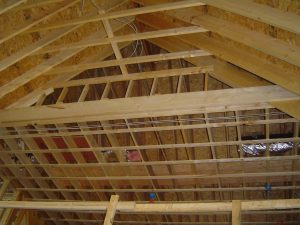
dependent upon access to the basement and attic spaces. Floor layout on the
main floors of the home also plays a factor in determining the feasibility
of installing a central vacuum system.
If you plan
on installing your own central vacuum system you will first want to
determine the location of the receptacles and ensure that the hose and
beater-bar assembly can reach every corner of the home from the receptacle.
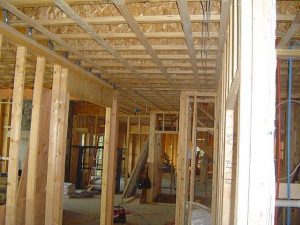
You will also want to locate the receptacles in walls that have easy access
to the basement and/or attic to allow PVC pipes to be installed. PVC pipes
can also be run through closets or behind cabinets as well, so consider this
when selecting a location for receptacles.
The central
vacuum cleaner canister should be located in a garage, utility room or
basement and preferably have the ability to be vented to the outside, though
not necessarily required. Do not place the canister in a tight space or a
space that could cause overheating of the unit.
Central Vacuum Performance
Each central
vacuum system manufacturer typically offers several types of systems. Each
type provides various levels of performance. The key metric for assessing a
central vacuum cleaner system’s performance is its waterlift level. This
waterlift measurement is not to suggest that a central vacuum system is
meant to vacuum water. Instead it is just a standardize way of
differentiating the performance of a central vacuum cleaner system.
Typically a central vacuum system with 100 – 120 inches of waterlift can
handle a 2000-3000 square foot home.
Central Vacuum System Costs
Central
vacuum systems usually come with 25-50 feet of hose and an assortment of
fixtures. Beater-bars are frequently sold separately.
A central
vacuum system costs typically between $500 and a $1000, depending upon the
brand, its performance and the fixtures that are included. Installation
costs are similar. Typically you can purchase central vacuum systems from
home improvement stores or electrical supply stores.
Though central vacuum
system unit and installation costs are higher, they are well worth the
investment due to their quietness, low weight, and high performance. They
are also highly valued by homebuyers and thus are worth the investment not
only for your needs, but also for future owners of your home.
To learn more about
Central Vacuum Systems see HomeAdditionPlus.com’s
Central
Vacuum System Video.
How to Finance your Home Electrical Project -
can help provide funds for your new home improvement project if financing is
required.