Home Addition Plus

Helping Homeowners Every Day

 
    Home How-To Store Ebooks    Bid Sheets HouseSight About Us Contact


Home Addition Bid Sheet  


Home Improvement Tools from Amazon


Visit My

Amazon

Tool Store


Do's And Don'ts Of Installing Radiant Heating


How to Install Radiant Heat Underneath a Hardwood Floor


By: Mark J. Donovan


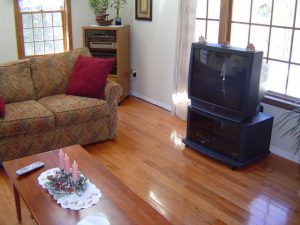
When radiant heat first came out decades ago there were many horror stories on its negative effects on hardwood flooring. In yesteryear, hardwood floors with radiant heat installed underneath them, would undergo dramatic expansion and contraction, which led to buckling and cracking of the floor. The main reason for the damage to the hardwood floors was the high temperatures that were associated with the radiant heat. Due to the fact that the hardwood floors were not very well insulated the radiant heat system had to be set to a very high temperature, which unfortunately adversely affected the hardwood floors.

The floors would dramatically expand and contract with the changes in the floor temperature caused by the radiant heat. The root cause of the problem was that the installed radiant heat would dry out the hardwood, causing it to shrink and crack. As a result, large gaps could be seen between the wood boards. When the radiant heat system was turned off, the moisture levels would increase in the hardwood flooring and the boards would expand again. This constant contraction and expansion would cause havoc on the hardwood floor.

Fortunately, over the decades new methods have been implemented to better insulate floors and to delay the installation of the hardwood flooring until the subfloor has dried out sufficiently. Making sure the subfloor is adequately dried out is a major concern when the subfloor is concrete. The concrete needs to cure for a sufficient amount of time to ensure that the moisture is adequately out of the concrete. It can take up to 3 months for the concrete to totally cure and the moisture content sufficiently reduced As a result of these new installation methods, installed radiant heat no longer needs to be turned up so high such that it dries out the hardwood flooring to the same level.

When it comes to the actual installation of the hardwood flooring over a radiant heat system, manufacturers recommend the hardwood flooring stock have at least 72 hours to acclimate to the temperature and humidity levels in the room that it is to be installed in. Prior to installing the hardwood flooring, the installer should check the moisture level of the subfloor and the hardwood flooring material to ensure that they are at similar levels. By doing this they can help to ensure that the hardwood floor will expand and contract at similar rates to the subfloor.

A moisture barrier is also now installed with most radiant heat installations. This helps protect both the radiant heat system as well as the hardwood flooring. No moisture can penetrate up through the subfloor to the hardwood flooring as the radiant heating system warms up. Likewise, no moisture can penetrate downwards to potentially damage the radiant heating system.

Also, hardwood flooring is now always installed perpendicular to the radiant heating system tubing or electrical wires, depending upon the type of radiant heating system installed, to ensure that the hardwood flooring is evenly heated.

In addition, there has been new guidance on how to turn on the radiant heat system at the beginning of the heating season to ensure that the hardwood flooring can adjust at a rate that protects it from drying out and cracking. By gradually turning on the radiant heat system at the start of the winter months the hardwood flooring has more time to adjust and acclimate to the warmer floor temperatures.

Finally, by better insulating the subflooring the temperature levels required to heat the hardwood flooring are much lower. This helps to not stress the hardwood flooring as much.

For information on maximizing your wood stove’s home heating efficiency see the “Installation of Hood over Wood Stove Ebook”.
 

Find a Qualified HVAC Contractor in Your Area

Get Free Quotes.  Easy, Quick and No Obligations!


For the home improvement or home remodeling project that is too big for you, check out our partner NeedContractor. They are a national resource for finding pre-screened, insured, and licensed home improvement and remodeling contractors in your local area.

Find Local, Pre-Screened Contractor for Installing Bulkhead Basement Doors


Get Matched in 48 hours with Home Heating Contractors!


Related Articles


Radiant Heating Systems from Amazon.com


- Do's and Don'ts of Installing Radiant Heating -

[Back to Home Heating]


Follow HomeAdditionPlus on Twitter

to HomeAdditionPlusVideos / Subscribe to HomeAdditionPlus.com feed

Advertise / Favorite Links / SiteMap / ToS / Privacy Policy / Disclosure Policy

Copyright 2005-2012 by DIY HomeAddition Plus.com - A Do it Yourself Home Improvement Site


web metrics