| |
|
Building a Home Addition
By: Mark J. Donovan
|
|
Besides providing your home with more living space,
building a home
addition can be a terrific investment. However, before embarking on building
a home addition the homeowner should first consider several important items. These items
include: home market values in the neighborhood, financing, home addition costs,
home addition plans (size and scale of project), architecture, timetable for
completion, personal disruption and inconvenience threshold and the sweat equity commitment level.
|
Size of Home Addition and Market Value
Prior to actually breaking ground on building a home addition, it is
best to first have a plan. You need to determine what you are looking for in
terms of additional living space. For example: How many square feet? What types
of rooms? Once this is understood, it is then important to find out the
market value of homes in the local area with similar size and features to the
new and improved home.
|
|
With this information the homeowner can then calculate the
difference between their current home market value and the new and improved home
market value. This difference should represent the maximum cost budget for the
new addition if a positive investment is desired. For example, a homeowner would
not want to spend $50,000 on a new home addition that provides only $25,000 in
increased market value to the improved home.
|
Financing
The next important question involves how to fund the cost
of the home
addition. Unless the project is being funded via cash/savings then financing
will be required. If current mortgage rates are higher than the existing
mortgage, then a home equity loan will probably make the most sense. If current
mortgage rates are lower than the existing mortgage, then refinancing the entire
home, including the cost of the home addition project, may make the most sense.
|
Architectural Considerations when Building a Home
Addition
Once the financial items have been addressed it is then
time to focus on the size and scale of the project, as well as the architectural
and aesthetics of the new addition. The home addition should be of size
and scale such that it aesthetically melds into the original house. It should
not be too small or too big. Frequently, homeowners get carried away and add
large amounts of new living space without sufficient thought on the outside
appearance. From a market value, there is more to a home than just pure
living space.
|
|
A home needs to maintain its exterior aesthetics as well.
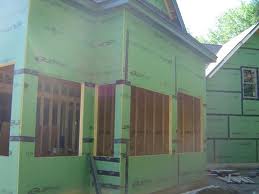
It is important to consider such items as siding, doors, windows, rooflines, and
elevations. All should meld into the existing home exterior seamlessly and
aesthetically.
If an architect is not planned for the project, then the
homeowner should at least make some sketches of the home exterior with the new
home addition. The building inspector will probably require them anyways during the
permit process. Also, there are many Home Design software packages on the market
today that can help create such drawings.
Schedule and Sweat Equity Commitment
The next two items that should be considered include the
timetable for completing the home addition project and the homeowner sweaty equity commitment
level. Many homeowners assume they can do a lot more than they are either
skilled to do or have the time to do. From personal experience, I would suggest
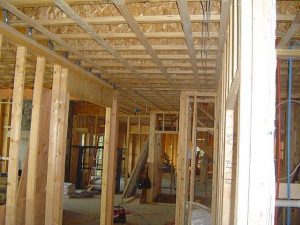
contracting out the site/ground work, rough framing, roofing, siding,
heating/cooling, and the drywall. All of these tasks require skill, time and
brawn. If local laws permit, electric and plumbing may be tackled by the
homeowner. However, both require skill and can be life threatening if not
performed properly. Other tasks that a homeowner could tackle when
building a home addition include
installing interior doors, finish trim, painting, cabinet installation, tiling
and hardwood flooring. Prior to a homeowner signing up to any specific task
however, they should first honestly assess their skill and available time, and
compare them to their project schedule. If they don’t match, hire the
contractor.
Threshold of Inconvenience and Disruption
Finally, a homeowner should consider their threshold for
inconvenience and disruption. Building a home addition, particularly if it involves the
kitchen, is very disruptive to today’s busy lifestyles. It is also a dusty,
dirty and noisy endeavor. In addition, dealing with subcontractors can be
challenging at times. For a typical addition anticipate several months of effort
and inconvenience.
If after assessing all these issues you are still willing
to move forward with the project, contact your subcontractors, pull your permits
and get ready for an exciting time. For most homeowners building a home addition
is a positive experience that provides both new living space and a great
investment.
For more help on Building a
Home Addition, see HomeAdditionPlus.com's
Room Addition Bid sheet.
The
Room Addition Bid Sheet
will help ensure that your room addition project goes smoothly and is
completed on time and budget.
How to Finance your Home Remodeling Project -
can help provide funds for your new home improvement project if financing is
required.
Related Information on Building a Home Addition
Additional
Home and Building Resources
Free Home Addition
Price Quotes with No Obligation!
Fill out our 3-5 minute quick and easy form, and receive a
free price quote on a home addition from one of our prescreened and licensed
home addition contractors. This process is free and there is no obligation to
continue once you receive your home addition price estimate.
|
|
|