Home Addition Plus

Helping Homeowners Every Day

 
    Home How-To Store Ebooks    Bid Sheets HouseSight About Us Contact


How to Tile a Custom Shower Ebook 


Home Improvement Tools from Amazon


Visit My

Amazon

Tool Store


Bathroom Ceramic Tile

Bathroom Ceramic Tile Options and Considerations When Planning Your Bathroom Remodeling Project

By Mark J. Donovan

Incorporating bathroom ceramic tile into a bathroom remodeling project is a must do. Ceramic tile is commonly used in bathrooms on floors, walls, and around tub and shower enclosures. If you really want to create a high-end bathroom, you may want to go as far as even building a custom ceramic tile shower. Bathroom ceramic tile offers several advantages besides looking fantastic. It helps simplify bathroom cleaning, it’s durable, and it’s easier to prevent mold and mildew growth. Also, ceramic tile can also be purchased at reasonable prices, and most do it yourselfers can do their own bathroom tiling.


Ceramic tile is made from clay and quartz ferrous materials. The clay and quartz material are mixed with water and then formed into various tile shapes and sizes. The tiles are then fired at high temperatures in ovens to harden them. Porcelain tile uses more highly refined materials. As a result, porcelain tiles are denser and more rugged than ceramic tiles. Either tile, however, works well in a bathroom.

Besides contemplating different types of tile shapes, sizes, and colors, another consideration to think about when buying bathroom ceramic tile is porousness. Particularly for bathroom tiled countertops and walls, you want to use highly non-porous tiles. The more porous the tile, the more susceptible it will be for mold and mildew growth, and oil and dirt stains. A porous tile is also more difficult tile to keep clean. The use of tile sealers is imperative when using unglazed bathroom ceramic tiles.


This said, the more porous the tile is the less slippery it will be. Consequently you may want to use porous tiles on the bathroom floor and non-porous tiles on the bathroom walls and in tub/shower stall areas.

In choosing bathroom ceramic tile you can select between glazed and unglazed tiles. Unglazed ceramic tiles are fired and baked and the colors are determined by the mineral content in the clay and quartz material. Unglazed tiles are more porous and usually are thicker and have a matte type finish.


Consequently unglazed ceramic tiles are more appropriate for bathroom floors as they are slip resistant. An example of an unglazed tile type is a terracotta tile.


Glazed tiles, on the other hand, have a very smooth glass like surface and thus are very shiny and often slippery. To achieve the glazed finish, the glazed ceramic tiles go through an additional process of having a glass layer applied to them, and then fired once again at a very high temperature. As a result, glazed tiles have a very smooth glass like finish and are slightly more fragile. Glazed ceramic tiles are best suited for bathroom walls and around tub and shower enclosures.


When it comes to actually tiling a bathroom, if you plan to use lighter tile colors consider using darker grouts to provide contrast and accent colors. Again, it is important to use a tile sealer, particularly on the grout lines to prevent grout stains and mold and mildew growth. If you want to prevent the risk of stains, and mitigate the risk of mold and mildew growth, then use glazed ceramic bathroom tiles.

Also feel free to mix it up by using different tile colors to create unique patterns in your tiled bathroom floors and walls. In addition, for custom ceramic tile showers, use accent tiles to spice up the shower walls and floor.

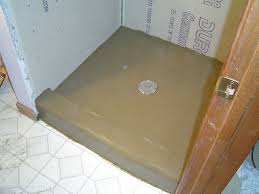
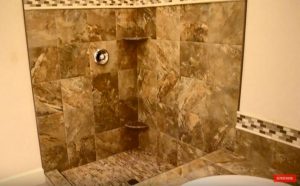
Ceramic bathroom tile used in a custom ceramic tiled shower.

Photo by Mark Donovan


If you plan to use tile for your bathroom countertops or backsplashes use glazed tiles, as again they are less susceptible to staining and can survive the cleansing strength of household cleaners.

Finally, when choosing ceramic tile colors make sure to select colors that complement the other items in the bathroom including window treatments, floor coverings, and even bathroom accessories such as soap dishes, towel bars, and toilet paper holders.


Find a Qualified Ceramic Tile Contractor in Your Area

Get Free Quotes.  Easy, Quick and No Obligations!


For the home improvement or home remodeling project that is too big for you, check out our partner NeedContractor. They are a national resource for finding pre-screened, insured, and licensed home improvement and remodeling contractors in your local area.

Find Local, Pre-Screened Ceramic Tile Contractor


Get Matched in 48 hours with Ceramic Tile Contractors!


See HomeAdditionPlus.com's Ceramic Tile Calculator

How to Finance your Home Improvement Project -  can help provide funds for your new home improvement project if financing is required.

Related Ceramic Tile Information


Additional Ceramic Tile Resources from Amazon.com

Setting Tile Book Image  


- Bathroom Ceramic Tile -

[Back to Tile, Stone and Stained Glass]


Follow HomeAdditionPlus on Twitter

to HomeAdditionPlusVideos / Subscribe to HomeAdditionPlus.com feed

Advertise / Favorite Links / SiteMap / ToS / Privacy Policy / Disclosure Policy

Copyright 2005-2012 by DIY HomeAddition Plus.com - A Do it Yourself Home Improvement Site


web metrics